Switching From Cigarettes to Heat-Not-Burn Products: Common Mistakes to Avoid


Heat-not-burn (HNB) products have gained attention as an alternative to conventional cigarettes. Unlike traditional cigarettes, which burn tobacco at high temperatures, heat-not-burn devices warm processed tobacco to generate an inhalable aerosol without combustion. As a result, some adult smokers explore these products as part of a transition away from conventional smoking.
However, switching from cigarettes to heat-not-burn products is not always straightforward. Many users enter the process with unrealistic expectations or misunderstand how these devices work. Understanding common mistakes can help individuals make more informed decisions and better understand the challenges associated with transitioning between tobacco products.
It is important to note that heat-not-burn products are not risk-free. Most contain nicotine, which is addictive, and public health organizations continue to study their long-term health effects.
Mistake #1: Expecting the Experience to Feel Exactly Like Smoking
One of the most common mistakes is assuming that heat-not-burn products will provide the same experience as conventional cigarettes.
Traditional cigarettes rely on combustion, producing smoke and a distinct taste, smell, and throat sensation. Heat-not-burn products generate an aerosol through heating rather than burning. As a result, users may notice differences in:
- Flavor intensity
- Aroma
- Mouthfeel
- Inhalation sensation
- Overall satisfaction
Many individuals who switch expect an identical experience and become disappointed when they encounter differences. Understanding that heat-not-burn products function differently can help set realistic expectations.
Mistake #2: Ignoring Nicotine Dependence
Some people mistakenly believe that changing product types automatically reduces nicotine dependence.
In reality, many heat-not-burn products still contain nicotine. Switching products does not necessarily eliminate nicotine exposure or addiction.
Consumers should understand:
- Nicotine remains an addictive substance.
- Dependence can continue after switching.
- Usage patterns may influence nicotine intake.
- Individual responses to nicotine vary.
Anyone considering a switch should carefully review product information and nicotine content.
Mistake #3: Assuming Heat-Not-Burn Products Are Risk-Free
Another frequent misunderstanding is believing that heat-not-burn products are completely safe.
Although these products avoid combustion, they still expose users to nicotine and other chemicals. Researchers continue to investigate their long-term health effects.
Key points include:
- No tobacco product is completely risk-free.
- Long-term effects remain under study.
- Reduced exposure to certain harmful substances does not mean zero exposure.
- Health risks may still exist.
Making decisions based on accurate information rather than assumptions is important.
Mistake #4: Dual Use of Cigarettes and Heat-Not-Burn Products
Many users begin using heat-not-burn products while continuing to smoke conventional cigarettes.
This pattern, often referred to as dual use, may reduce the potential benefits associated with completely moving away from combustible cigarettes.
Reasons for dual use may include:
- Habitual smoking routines
- Social situations
- Preference for cigarette taste
- Difficulty adapting to a new product
Understanding personal habits and triggers can help explain why dual use occurs.
Mistake #5: Not Understanding Device Requirements
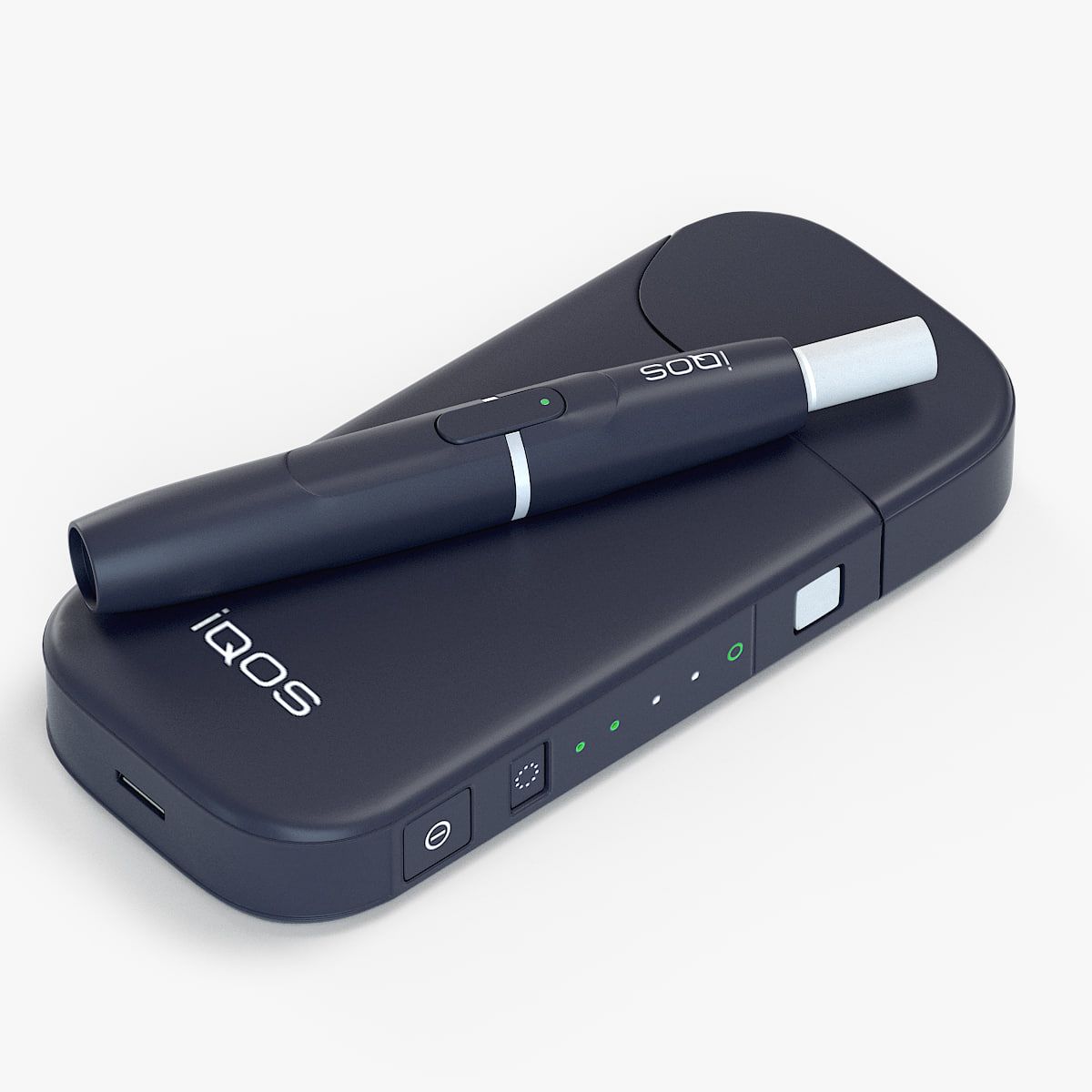
Heat-not-burn products typically require specific devices and compatible tobacco consumables.
Some users become frustrated because they do not fully understand:
- Device charging requirements
- Cleaning needs
- Product compatibility
- Battery limitations
- Maintenance expectations
Unlike cigarettes, electronic tobacco-heating devices involve technology that requires regular care and attention.
Mistake #6: Choosing Products Based Solely on Marketing
Marketing materials often highlight product features, technology, and design. However, relying exclusively on advertising can create unrealistic expectations.
Consumers should consider:
- Independent information sources
- Health guidance
- Product regulations
- Scientific evidence
- Personal preferences
Making decisions based only on promotional materials can lead to disappointment or misunderstandings.
Mistake #7: Overlooking Cost Considerations
Some individuals focus only on the initial device purchase and fail to consider ongoing costs.
Potential expenses may include:
- Tobacco consumables
- Device replacements
- Charging accessories
- Maintenance items
Long-term costs vary depending on product type, frequency of use, and local pricing.
Mistake #8: Neglecting Device Maintenance
Many heat-not-burn devices require routine maintenance to function properly.
Failure to maintain a device may lead to:
- Reduced performance
- Inconsistent aerosol production
- Battery issues
- Unpleasant odors
- Shortened device lifespan
Following manufacturer recommendations regarding maintenance can help ensure consistent performance.
Mistake #9: Ignoring Local Regulations
Regulations governing heat-not-burn products vary significantly between countries and regions.
Areas commonly regulated include:
- Product sales
- Age restrictions
- Advertising
- Public-use restrictions
- Importation rules
Users should understand local laws before purchasing or using any tobacco-related product.
Mistake #10: Believing the Transition Will Be Instant
Behavioral habits associated with smoking often develop over many years.
Many smokers underestimate the role of:
- Daily routines
- Social environments
- Emotional triggers
- Stress management habits
Even when switching product types, behavioral adjustments may take time. Expecting an immediate and effortless transition can lead to frustration.
Health Considerations
Anyone considering a switch should remain informed about the health implications of tobacco and nicotine use.
Important points include:
- Nicotine is addictive.
- Tobacco products carry health risks.
- Research on heat-not-burn products is ongoing.
- Long-term outcomes continue to be evaluated by scientists and public health organizations.
Individuals concerned about nicotine dependence or tobacco-related health risks may benefit from consulting qualified healthcare professionals.
Frequently Asked Questions
Are heat-not-burn products the same as cigarettes?
No. Cigarettes burn tobacco, while heat-not-burn products heat tobacco without combustion.
Do heat-not-burn products contain nicotine?
Many products do contain nicotine, although formulations may vary by market and product type.
Are heat-not-burn products safe?
No tobacco or nicotine product is considered completely risk-free.
Why do some users continue smoking cigarettes after switching?
Factors may include habit, taste preferences, nicotine dependence, and social influences.
Is switching easy?
Experiences vary. Some individuals adapt quickly, while others require more time to adjust to a different product format.
Conclusion
Switching from cigarettes to heat-not-burn products involves more than simply changing devices. Many users encounter challenges related to expectations, nicotine dependence, product knowledge, maintenance requirements, and long-established smoking habits. By understanding these common mistakes, individuals can make more informed decisions and approach the transition with realistic expectations. Regardless of product type, it is important to remember that tobacco and nicotine products carry health risks and should be considered carefully.