Juul 2 Pod All Flavors Reviews

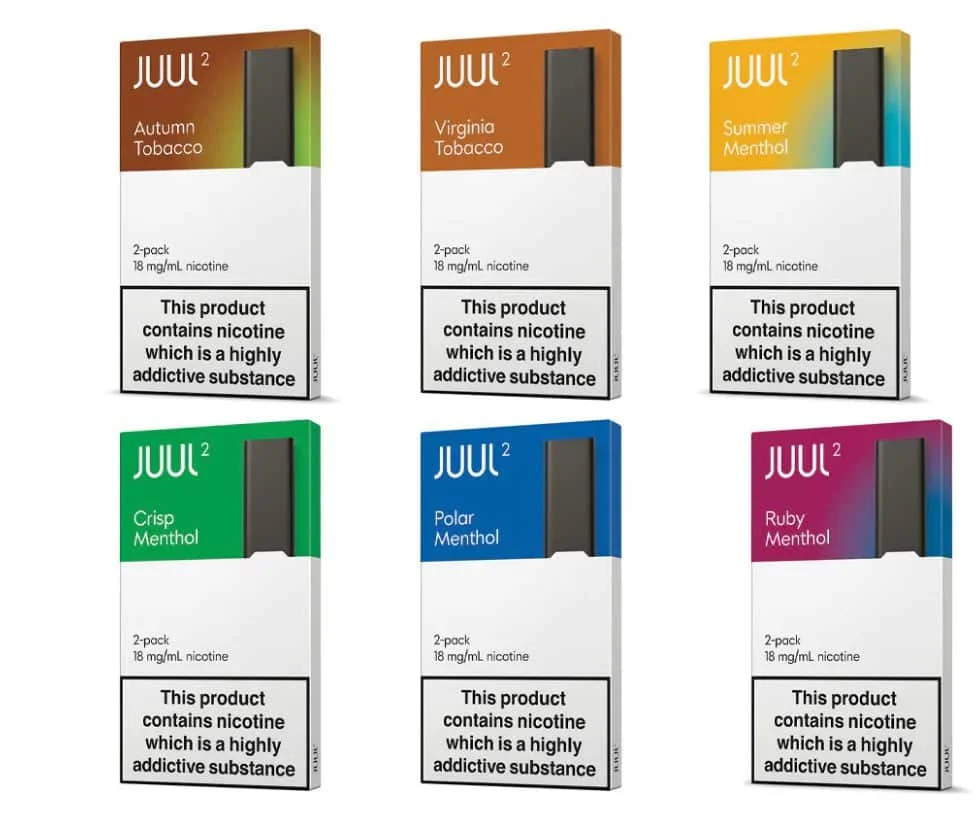
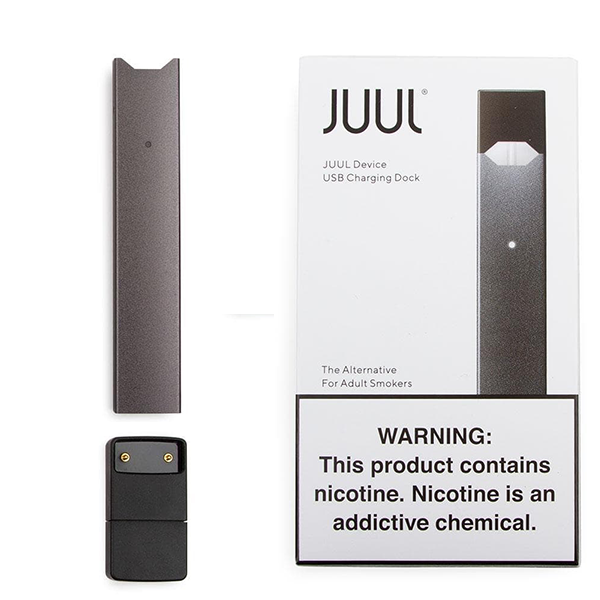
JUUL is a brand of electronic cigarette (e‑cigarette) that uses small, replaceable cartridges called pods. Each pod contains a liquid that typically has:
- Nicotine salts — a form of nicotine that delivers high amounts quickly
- Flavoring chemicals
- Other liquids like propylene glycol and vegetable glycerin
When a user inhales from the device, the liquid is heated into an aerosol (often called a “vapor”) that is inhaled into the lungs.
Why JUUL Became Popular
When JUUL first came out, it became extremely popular, especially among teens and young adults. Some reasons for this include:
1. Sleek, USB‑Like Design
JUUL looks small and discreet — it can resemble a USB drive, which makes it easy to carry and easy to hide.
2. Flavor Variety
JUUL pods come in many different flavors instead of just tobacco. While adults might smoke for nicotine, younger people are often drawn to flavors. Common flavor categories include:
- Fruit (e.g., Mango, Strawberry)
- Mint or Menthol
- Dessert‑like tastes
- Sweet and candy‑like
Flavors can make vaping seem less harsh or more enjoyable, but they do not make it safe.
3. High Nicotine Content
JUUL pods deliver a high amount of nicotine per puff compared with some other e‑cigarettes. The idea is that this mimics the experience smokers want, but it also makes the pods potentially more addictive.
How JUUL Pods Work
Each JUUL pod fits into the JUUL device magnetically. As the user inhales, the device automatically heats the liquid with a small battery and produces an aerosol.
Pod liquids usually contain:
- Nicotine salts (stronger than free‑base nicotine found in many other e‑liquids)
- Flavorings
- Propylene glycol (PG) and Vegetable glycerin (VG) — carriers that turn liquid into vapor
Unlike cigarettes, JUUL doesn’t burn tobacco. But that doesn’t make it harmless — nicotine and other chemicals are still inhaled deeply into the lungs.
Common JUUL Pod Flavors
Because I can’t promote products, I’ll describe why flavors matter rather than tell you which ones are “the best.”
Flavors in e‑cigarette pods often fall into a few groups:
🍉 Fruity Flavors
These mimic fruits like mango, berry, or apple.
- Appeal: Sweet tastes can make vaping feel more like eating candy than smoking.
- Risk: Sweetness may make inhaling nicotine feel less intense, potentially encouraging more use.
🌿 Minty or Menthol Flavors
These feel cool and refreshing on the throat.
- Appeal: They reduce harshness of nicotine delivery and can feel soothing.
- Risk: Menthol can mask irritation, which might make it easier to inhale repeatedly.
🍬 Sweets and Desserts
Flavors reminiscent of vanilla, crème, or sugar.
- Appeal: Attractive to younger users who prefer sweet tastes.
- Risk: Similar to fruity flavors, sweetness doesn’t mean safety — chemicals in these flavors can still damage lung tissue.
🚬 Tobacco‑Like Flavors
Less common among youth, but closer to traditional cigarette taste.
- Appeal: Used by adults trying to switch from cigarettes.
- Risk: Still delivers nicotine and has similar addiction risks.
Note: JUUL may discontinue or change flavor availability due to regulations. This overview is about categories rather than specific products.
Health Risks of JUUL Pods
The most important part of any discussion about JUUL pods — especially for teens — is understanding the health risks.
⚠️ 1. Nicotine Addiction
Nicotine is a powerful and highly addictive drug. In teenagers, whose brains are still developing, nicotine can:
- Change wiring in reward pathways
- Make the brain more sensitive to addiction
- Increase the likelihood of becoming dependent on other substances later
This means even occasional use can lead to a strong habit that’s hard to quit.
2. Effects on Brain Development
The human brain continues developing through mid‑20s. Nicotine use during adolescence can:
- Impair attention and learning
- Affect memory function
- Alter mood regulation
These effects can be long‑lasting, even after stopping nicotine.
3. Respiratory and Lung Risks
Although JUUL doesn’t burn tobacco, inhaling vapor still introduces foreign chemicals into the lungs.
Some potential lung effects include:
- Irritation and inflammation
- Cough or wheezing
- Unknown long‑term risk
Scientists still study how long‑term vaping affects lung tissue, but early data links some e‑cigarette use with lung injury.
4. Chemical Exposure
E‑cigarette liquids contain:
- Flavoring agents that may be safe to eat but not safe to inhale
- Propylene glycol and vegetable glycerin when heated can form harmful byproducts
Inhaling these can irritate or damage airways.
⚠️ 5. Secondhand Exposure
While JUUL vapor doesn’t contain tar like cigarette smoke, it can still contain nicotine and particles that affect people nearby.
This is especially concerning in enclosed spaces like cars or classrooms.
Social and Behavioral Risks
Beyond health, JUUL use can have social effects:
- Normalization of smoking behaviors — may make cigarettes seem less risky
- Peer pressure — popularity in teens can influence choices
- School/legal consequences — many schools ban vaping on campus
Why Flavor Variety Is Not a Safe Feature
Flavors may seem fun, but they serve a purpose: they mask the harsh taste and sensation of nicotine, making it easier to inhale more often. This increases addiction risk. Even flavors that “taste safe” don’t mean they’re safe to inhale — the chemicals used for taste aren’t tested for lung safety.
What Teens Should Know About Marketing and Perception
JUUL and other e‑cigarettes have sometimes been marketed in ways that appeal to younger people — bright designs, trendy ads, and flavored options. This marketing does not change the fact that nicotine:
- Is addictive
- Harms the developing brain
- Leads many teens to become regular users
If Someone Is Using JUUL Pods
If a friend is vaping or asking you about it, here are responsible things to consider:
- Talk about health risks, not just opinions
- Encourage them to think about why they want to use them
- Suggest healthier stress‑relief alternatives (exercise, hobbies, counseling)
If they want to quit, professionals can help with plans and support — quitting nicotine can be tough, and support makes a big difference.
Resources and Support
Even though I can’t provide direct links, here are general types of places where teens can find help:
- School health counselors
- Trusted adult figures
- Healthcare providers
- Educational websites about tobacco/nicotine risks
These resources can offer up‑to‑date, credible help if someone is struggling with nicotine use.
Conclusion: What You Should Take Away
- JUUL pods are e‑cigarette cartridges that deliver nicotine and flavorings.
- They are not safe, especially for people whose brains are continuing to develop.
- Nicotine addiction can start quickly and have long‑lasting effects.
- Flavors may be appealing but do not make vaping safe.
- Awareness and prevention are more important than reviews or rankings — your health matters.